
Is your B2B brand voice boring?
When it comes to content marketing, we're living in a world of whiplash.
Every other post on LinkedIn talks about the most effective tactics for visibility in an increasingly fragmented attention landscape that has users turning to ChatGPT and other AI tools (although Google still accounts for about 75% of searches).
If I had to compare content marketing to anything right now, it'd be a game of Whack-a-Mole.
I do see a common thread, however: audiences still appreciate content that offers actual value in an authentic voice.
In other words, the basics haven't changed—but the way people find your content is, and it's gotten harder to secure that visibility.
One tactic is to develop a unique brand voice. I know that's not news. But you only have to look at most B2B marketing content (and even some B2C) to know that too many teams still don't know how to do this.
Developing and implementing an original brand voice can be scary. It's a risk. Companies worry about alienating potential customers.
In fact, bland is the bigger risk. if your content sounds like everyone else’s, not only is it going to fail to help audiences distinguish you from competitors, it’s going to be easy for AI summaries to replace it, essentially torpedoing your AI search visibility.
Recently I watched Everybody Wants Some!!, Richard Linklater’s followup to Dazed and Confused*. Set in 1980, it’s about baseball players in a college fraternity. Beyond the nostalgia, I was struck by a scene in which one character, Willoughby, a spacey but earnest pothead, says to a freshman:
“You gotta fu**ing embrace your inner strange, man. Just be fu**ing weird, you know? And when you do that, you bring who you are, never who they want. And that, my friend, is when it gets fun.”

But seriously, don’t trust this guy with your content marketing.
Okay, so taking marketing tactics from movies is not always the best idea. But there’s a valuable point there.
Companies spend a lot of time and effort benchmarking competitors, analyzing “best practices,” and studying what everyone else in the industry is doing. Then they produce something that looks . . . exactly like everyone else’s content.
Memorable Brands Exhibit A: Basecamp
Memorable brands—yes, they exist in B2B—embrace their strange.
One example: Basecamp, the project management solution. It says a lot of things most SaaS companies don’t:
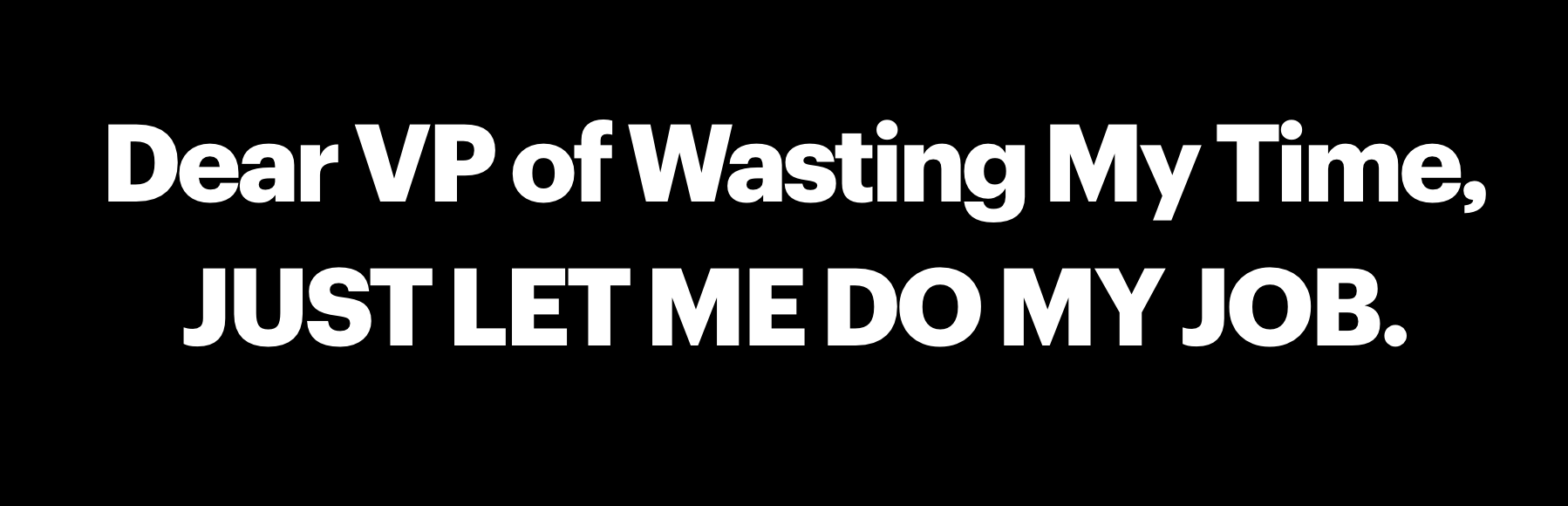
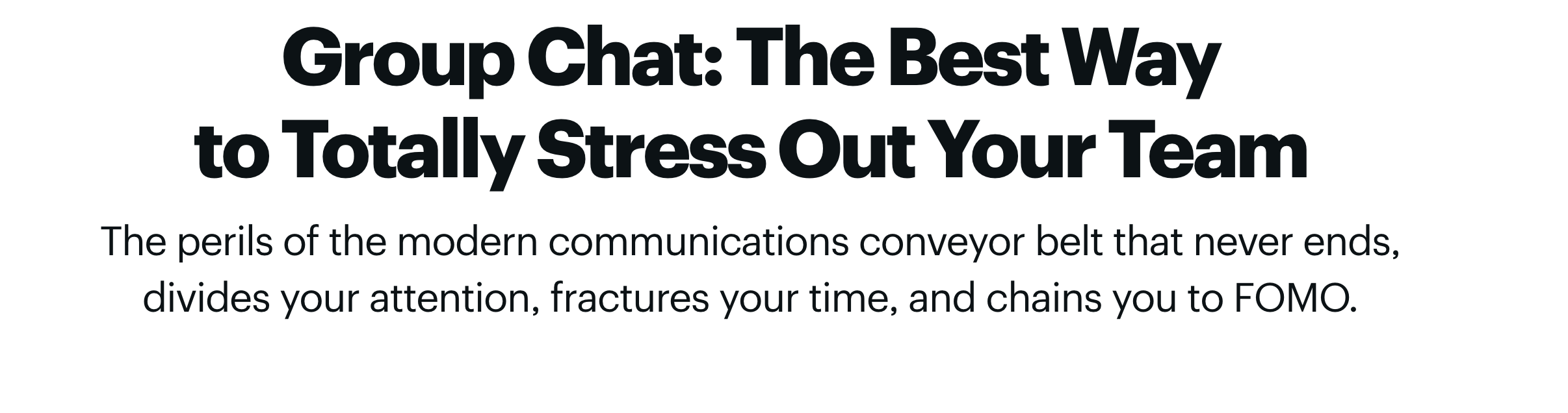
Whether you agree with what they say or not, the company has a bold and distinctive voice, which makes its content memorable and powerful. And it aligns with its brand as a sustainable alternative to hustle culture in tech.
How to Make B2B Content More Memorable
Content doesn’t have to be so obviously quirky or provocative to make an impact. And if you’re in a sector like finance or healthcare, you probably don’t want to push that envelope too far.
Instead, explore what puts your brand or your organization outside the mainstream, and lean into that.
This could look like:
Writing about questions or trends your industry avoids
Publishing niche research
Telling specific stories instead of giving generic advice
Admitting tradeoffs or unpopular opinions
And note that sometimes an outsider can help with identifying these things (ahem).
*It’s not as good as Dazed and Confused, but worth a watch!
Double-click to edit...